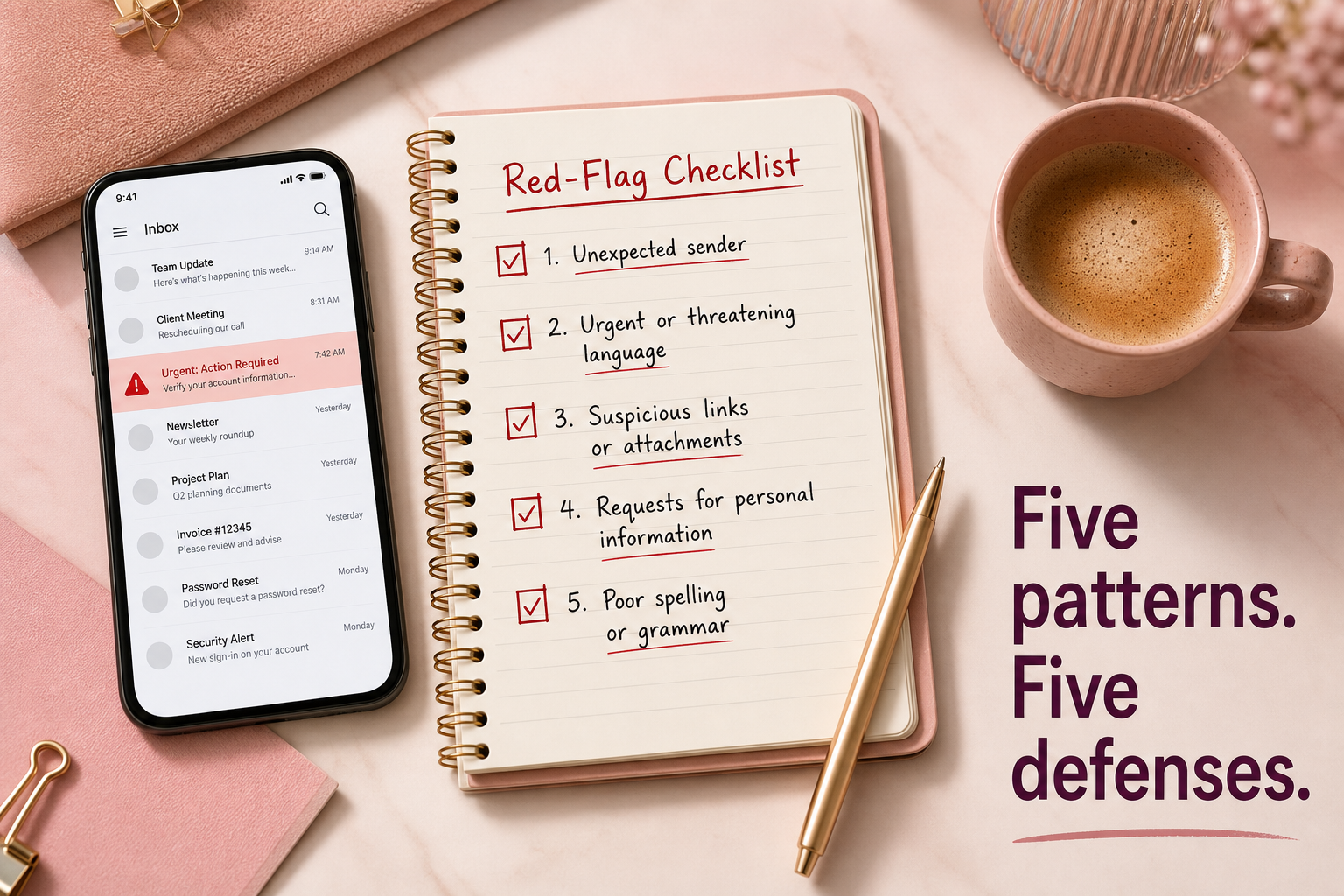
Phishing scams targeting sweeps casino players usually try to steal logins, ID documents, payment details, or redemption access by pretending to be an operator, promo page, support agent, or verification system. The safest move is simple: do not click surprise links. Go directly to the official site or app and check your account there.
By Ethan Parker, Sweeps Flow Editorial | Updated June 2026
Sweeps casino players are a real target now. As more people play with Gold Coins and Sweeps Coins, scammers have learned the lingo, copied the look of operator emails, and started showing up in the same social spaces players use every day.
The fine print needs supervision, but so do your DMs.
This Red Flag Radar guide breaks down the main phishing patterns, how to spot them, and what to do if one already slipped through. No panic, no shame, just receipts.
Quick Take
- Fake operator emails often use urgent language and links to copycat login pages.
- Fake KYC portals may ask for ID images, proof of address, selfies, or extra personal details.
- Fake promo codes on social media can route players to credential-stealing sites.
- Support impersonators often DM players after public complaints about redemptions or account issues.
- Suspicious SMS messages should be verified by visiting the operator directly, not by clicking the text link.
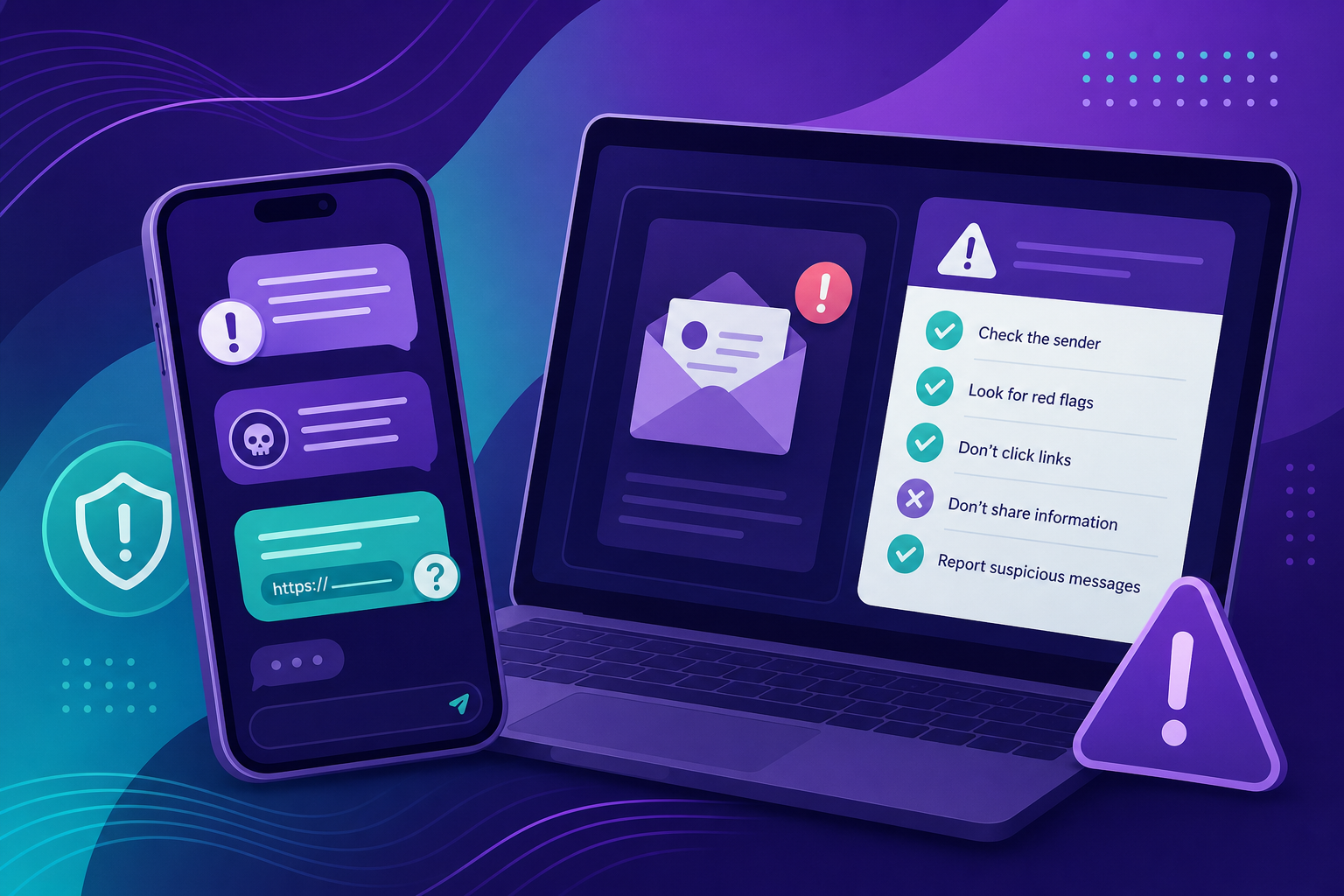
Why are phishing scams targeting sweeps casino players?
Scammers follow attention. Sweeps casinos have grown, and players often use accounts that may include saved payment methods, redemption history, KYC documents, and personal contact details. That makes fake login pages and fake verification requests more tempting to bad actors.
Important note: this is not about blaming players. These scams are built to look normal. A fake email may copy colors, buttons, logos, and support language closely enough to pass a quick glance. That is why the habit matters more than the vibe: type the official site yourself, use the official app, and avoid surprise links.
Phishing scams targeting sweeps casino players: the five patterns to know
Most sweeps phishing attempts fall into a few repeat patterns. Once you know them, they become much easier to spot.
| Scam pattern | What it looks like | What the scammer wants | Safer move |
|---|---|---|---|
| Fake operator email | Urgent account warning with a login link | Your username and password | Go to the operator site directly and check your account |
| Fake KYC portal | External link asking for ID, address proof, or selfie | Identity documents and personal data | Use the official account dashboard or verified support |
| Fake promo code | Social post or DM promising a big code through a third-party site | Your login details | Enter codes only inside the operator website or app |
| Fake support DM | Someone claims they can fix a redemption or KYC issue | Account access, documents, or payment details | Use in-app support or verified contact info only |
| SMS phishing | Text about urgent verification or redemption trouble | Clicks, logins, or device access | Do not click. Visit the operator directly |
How do fake operator emails work?
Fake operator emails are one of the most common phishing tricks. They may claim your account needs immediate verification, suspicious activity was detected, or your access will be paused unless you act fast.
Cute bonus. Complicated personality. If the email is rushing you, slow down.
Watch for these red flags:
- The sender domain is slightly wrong or uses extra words, such as “support,” “secure,” or “verify” in a strange way.
- The email links to a domain that does not match the operator’s official website.
- The message asks you to confirm your password by email or through a linked page.
- The design looks close, but spacing, grammar, or formatting feels off.
- The message threatens fast account closure if you do not respond.
Protective takeaway: do not click the link. Type the operator’s website into your browser or open the official app. If there is a real issue, it should appear inside your account or through verified support.
What is a fake KYC portal?
KYC means “Know Your Customer.” In sweeps casinos, legitimate KYC checks may be used during account verification or before redemption. Scammers abuse that familiar process by creating fake portals that ask for sensitive documents.
A fake KYC page may ask for:
- A photo of your government ID
- Proof of address
- A selfie holding your ID
- Extra personal details that do not feel tied to the request
Real verification should happen through the operator’s official website, app, or approved verification flow. If you get an unexpected KYC request, do not use the message link. Log in directly and check your account status.
How do fake promo code scams catch players?
Fake promo code scams often show up in Reddit threads, Discord chats, Facebook groups, X posts, TikTok comments, and DMs. The post may claim there is an exclusive code or special link that gives a large Sweeps Coins offer.
The terms are doing the most when a “promo” needs your login on a random third-party page.
Real promo codes, when offered, are usually entered inside the operator’s own website or app. A third-party “redemption portal” asking for your operator login is a major red flag.
Promo code safety checklist
- Check the operator’s official promotion page or in-app offer area.
- Do not enter operator login details on a third-party promo page.
- Be careful with DMs claiming “VIP,” “insider,” or “limited” access.
- Compare the claimed offer with what the operator publicly lists. If it looks wildly out of line, pause.
- Remember: Terms apply, and legitimate offers still have rules.
Responsible play note: bonuses can be fun, but they should not push you to spend more than planned. Set your limit before you chase any promo.
Why are fake support DMs so risky?
Support impersonators often watch public posts where players mention redemption delays, KYC confusion, login trouble, or account issues. Then they DM the player and claim to be official support.
They may ask for your password, full payment details, ID documents, redemption information, or remote access to your device. Real support should not need your password or remote control of your phone or computer.
If someone contacts you first on Discord, Telegram, Reddit, X, or another social platform, treat it as unverified. Go to the operator’s official support channel instead.
Protective takeaway: never share passwords, full card numbers, one-time codes, or remote access with anyone claiming to be support.
How can you spot SMS phishing or smishing?
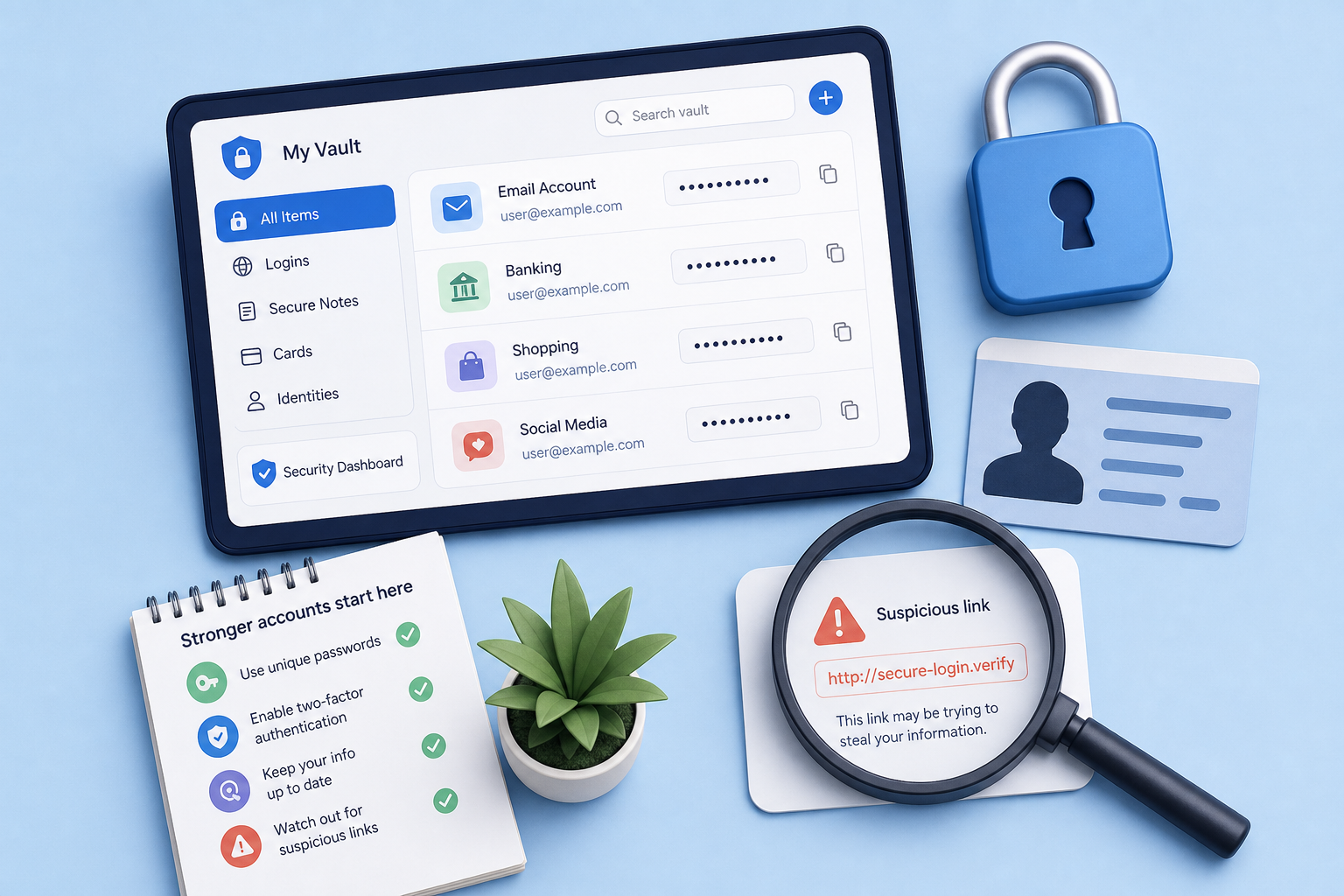
SMS phishing, often called smishing, uses text messages to push urgent action. The message may claim there is a redemption hold, verification issue, account lock, or pending prize-related update.
Common signs include:
- A short link or odd-looking URL
- Urgent time pressure
- Requests to log in through the text link
- Messages from unknown numbers or strange short codes
- Claims that do not appear when you check your account directly
Do not reply to suspicious texts. Even a “STOP” reply can confirm your number is active. You can forward suspicious SMS messages to 7726, which reports spam to your mobile carrier.
What should you do if you already clicked or responded?
First, breathe. Then move quickly. The goal is to cut off access, document what happened, and protect nearby accounts.
- Change your operator password immediately. Use a strong, unique password you do not use anywhere else.
- Turn on two-factor authentication if available. Check the operator’s account security settings.
- Check account activity. Look for recent logins, purchases, Sweeps Coins activity, redemption requests, or profile changes you did not make.
- Contact the real operator through verified channels. Use in-app support, the official website, or verified help center contact details.
- Change reused passwords. If the same password was used on email, banking, shopping, or other gaming accounts, update those too.
- Watch financial accounts and credit reports. If you shared ID documents, consider a fraud alert or credit freeze through the major credit bureaus.
- Report the scam. Report impersonator accounts on the platform where they contacted you. You can also report phishing to the FTC at ReportFraud.ftc.gov.
Important: this is general safety information, not legal advice. If identity theft or financial fraud has happened, consider contacting your bank, credit card issuer, credit bureaus, and local authorities.
Account safety checklist for sweeps players
Use this before clicking any link tied to an account, bonus, KYC request, or redemption message.
| Check | Green flag | Red flag |
|---|---|---|
| Sender | Matches the operator’s official domain or verified channel | Misspelled domain, random Gmail-style account, or strange “secure” domain |
| Link | Goes to the official operator site | Short link, third-party portal, or domain mismatch |
| Request | Can be confirmed inside your account | Asks for password, one-time code, or remote access |
| Tone | Clear, normal account notice | Extreme urgency, threats, or pressure |
| Promo | Listed on official operator pages or app | DM-only offer or third-party login page |
What to do next
- Review your sweeps casino passwords and replace reused ones.
- Turn on two-factor authentication where available.
- Bookmark official operator sites you use so you do not rely on links from emails or texts.
- Read Sweeps Flow’s beginner and redemption guides before sharing documents or chasing promos.
- If a message feels off, pause and verify through official support.
If you are new to sweeps casinos, start with the basics before you register anywhere. You can also visit the Sweeps Flow registration page at https://www.sweepsflow.com/register when you are ready to explore community resources.
Sweeps Flow Take
Phishing scams targeting sweeps casino players are not always obvious anymore. The smarter play is to build boring, protective habits: do not click surprise links, do not share passwords, do not send ID documents through random portals, and do not trust support DMs that found you first.
Your fun should stay fun. If a message uses panic to make you act fast, that is your cue to slow all the way down.
FAQs
Do real sweeps casino operators ask for my password by email?
No. You should not share your password by email, DM, text, or chat. If a message asks you to confirm or send your password, treat it as a scam and contact the operator through verified channels.
Is KYC always a scam?
No. KYC can be a legitimate part of account verification or redemption. The red flag is how the request arrives. Use the operator’s official site or app, not a surprise link from an email, text, or DM.
Are promo codes from social media safe?
Some operators may share real promos through official channels, but random posts and DMs are risky. Enter promo codes only inside the operator’s official website or app. Terms apply.
What if I clicked a phishing link but did not enter anything?
Close the page, do not enter details, and run a security check on your device if anything downloaded. If you entered a password, change it right away and check your account activity.
Should I use a different password for every sweeps casino?
Yes. A unique password helps keep one account problem from spreading to others. A reputable password manager can make this easier.
Affiliate disclosure: Sweeps Flow may earn a commission from some links to operators or partners. Our scam guidance stays player-protective either way.

Error