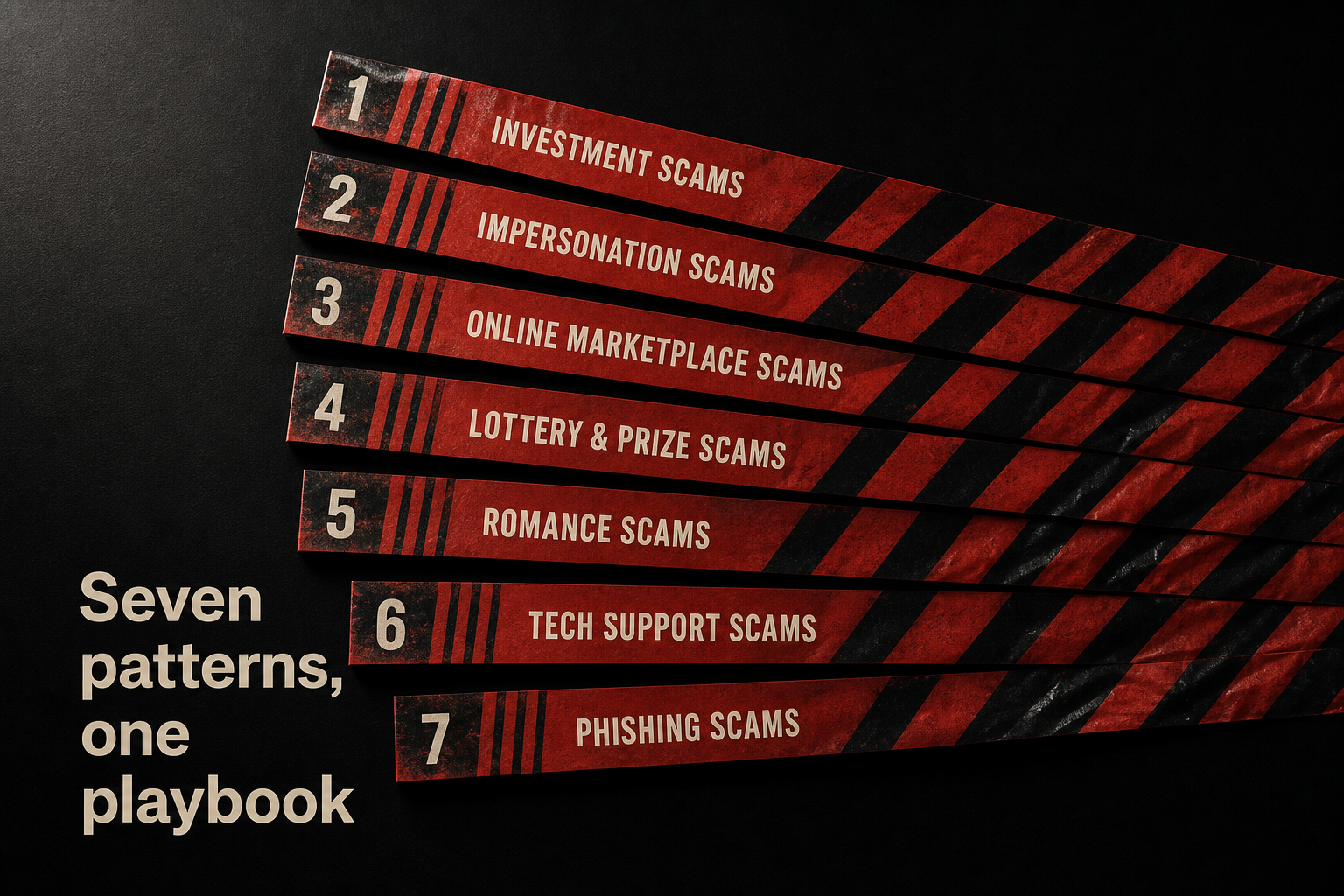
Sweepstakes casino scams usually follow repeat patterns: fake sites, phishing texts, fake redemption emails, social media impersonators, fake giveaways, payment skimming, and bonus-recovery pitches. The safest move is to stop, check the domain or sender, and log in through the operator’s official site instead of clicking links or replying to DMs.
Author: Ethan Parker, Sweeps Flow Editorial | Updated June 2026
If you play sweepstakes casinos, you already know the fun part: bonuses, games, community tips, and that little “wait, what does this term mean?” moment. But the scam side has gotten louder too, and the fine print needs supervision.
This Red Flag Radar guide breaks down seven sweepstakes casino scams players should know, what each one looks like, and the quick check that can save you from handing over account details, payment info, or personal information.
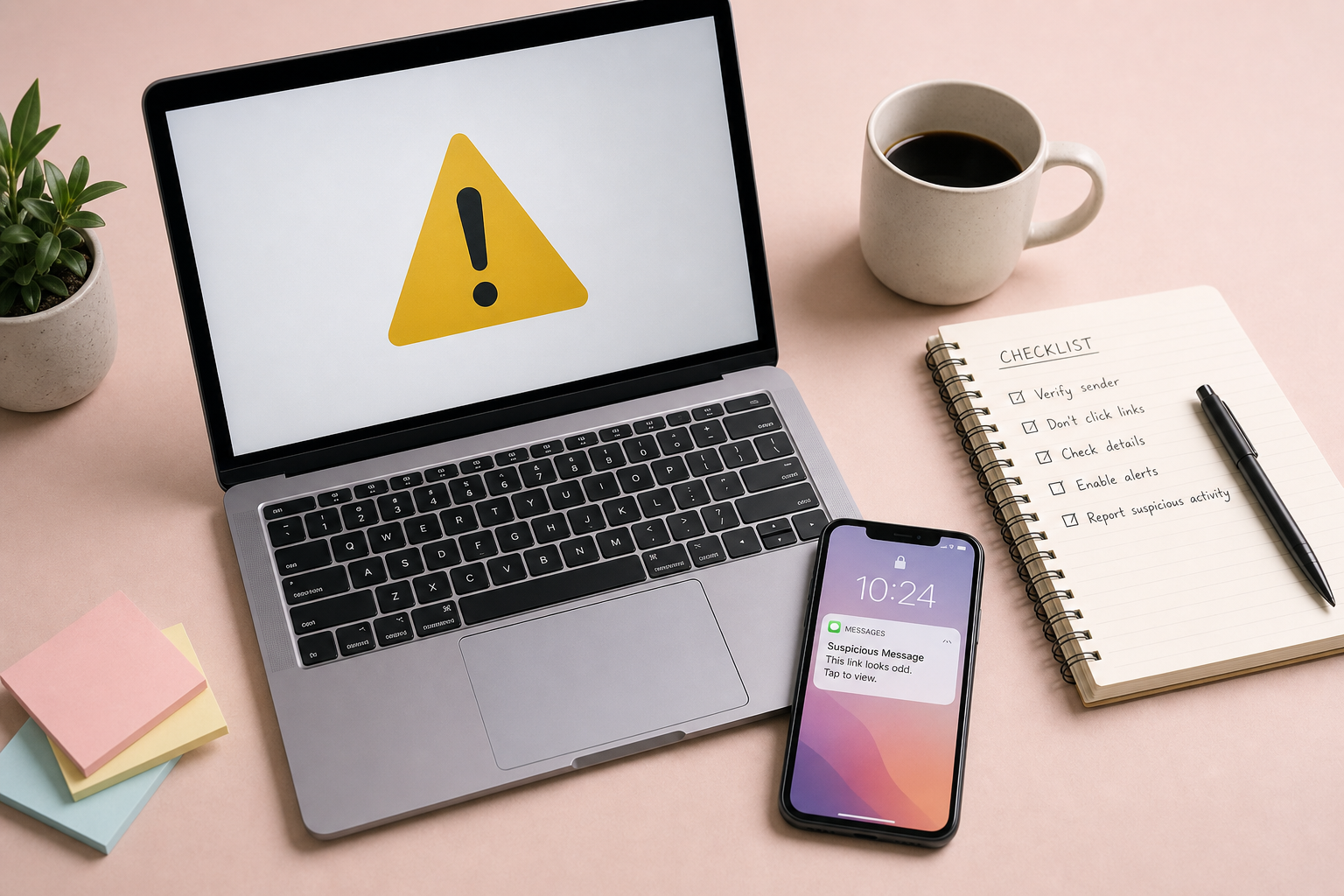
Quick Take
- Most sweepstakes casino scams rely on urgency, fake authority, or a “special” link outside the real operator site.
- Real operators do not ask for your password, banking login, or Social Security number by email or DM.
- Gold Coin purchases should happen only on the operator’s official site or app, through listed payment options.
- Legit redemption details should appear inside your account after you log in directly.
- If something feels off, close the message and type the operator’s URL yourself.
What are the most common sweepstakes casino scams?
The most common sweepstakes casino scams are not random. They repeat. Scammers change the colors, names, and handles, but the trick is usually the same: push you to act fast before you check the source.
Here are the seven patterns to keep on your radar.
1. Fake sweepstakes casino sites and apps
A fake site or app may copy the look of a real sweepstakes casino. The logo may look close. The colors may feel familiar. The offer may sound extra shiny. Cute bonus. Complicated personality.
The red flags are usually in the details:
- The domain spelling is slightly wrong.
- The footer does not show a clear company name or contact details.
- The site does not match search results for the real operator.
- The app listing looks new, thin, or disconnected from the known brand.
30-second check: Read the domain letter by letter. Then search the operator name in a separate browser tab. If the search result points somewhere else, stop.
What to do: Do not create an account. Do not enter payment information. If the fake site is impersonating a known operator, contact the real operator through its official support page.
2. Account-takeover phishing emails and texts
This scam usually starts with a scary message: “Unusual activity detected,” “Verify now,” or “Your account will be locked.” The link takes you to a fake login page that captures your username and password.
30-second check: Look at the sender address. Real operator emails should come from the operator’s real domain, not a random Gmail-style address or strange URL. Hover over links without clicking. If the preview URL does not match the operator’s real site, treat it as suspicious.
What to do: Never click the link from a security email or text. Open a fresh browser tab, type the operator’s URL yourself, and log in directly. If there is a real issue, it should show inside your account.
3. Fake redemption claim emails
These emails usually say you have a prize waiting or a redemption ready to claim. Then they ask for sensitive details, a “processing fee,” or banking access. That is where the math starts acting suspicious.
Real redemption steps should happen through your account on the official operator site. Operators may require identity checks for redemptions, but you should not send Social Security numbers, bank logins, or private documents through random email links.
30-second check: Ask three questions:
- Is the email asking for sensitive details through email?
- Is it asking for a fee to release a redemption?
- Is it creating a short deadline to scare me into acting?
If the answer is yes to any of these, slow down.
What to do: Log in directly to the official operator site and check your redemption section. If nothing is there, do not reply to the email. Mark it as phishing.
4. Social media impersonator accounts
Impersonators show up on Instagram, TikTok, Facebook, X, and in comment sections. They may copy a casino logo, use a similar handle, and DM players with “VIP support,” “exclusive bonus,” or “redemption help.”
30-second check: Check the handle exactly. Look for odd underscores, extra words, misspellings, recent join dates, and low activity. Then compare it with links from the operator’s official website.
What to do: Do not respond to unsolicited DMs claiming to be support. Block and report the account. If you need help, go through the official operator site.
5. Fake giveaway scams
Fake giveaways often appear in community groups, comments, or copied screenshots. They may promise Sweeps Coins if you “verify” your account, share your login, or fill out a third-party form.
Real sweepstakes promotions should explain terms, eligibility, and how prizes or promotional credits are handled. No-purchase-necessary rules and Alternative Method Of Entry (AMOE) details may apply depending on the promotion. Terms apply.
30-second check: A real giveaway should not ask for your password. It should not need your banking login. It should not ask you to send account details in a comment or DM.
What to do: Skip it. Report the post to group moderators or the platform. If the giveaway names a real operator, verify only through that operator’s official channels.
6. Payment-method skimming through “alternative” routes
This one targets players buying Gold Coins. A scammer may offer a “discounted” purchase path, third-party payment link, or special route that is not listed on the operator’s site.
30-second check: If the purchase path is outside the operator’s official site or official app, pause. Gold Coin purchases should use the operator’s listed checkout process.
What to do: Do not enter card details into a link from a DM, comment, or unknown site. If you already did, contact your card issuer quickly, review recent charges, and consider freezing the card.
7. Bonus-recovery and loss-recovery scams
These scammers often target frustrated players. They may message after a public complaint and claim they can recover losses, reverse a redemption denial, or release a hidden bonus for an upfront fee.
Real operators do not need outside “recovery agents” to fix account issues. And no honest support person needs your password in a DM.
30-second check: If someone asks for a fee, credentials, or private account details to “recover” funds or bonuses, it is a red flag.
What to do: Block the account. Report it. If you gave away your login, change your password right away and change it anywhere else you reused it. If you paid by card, contact your card issuer.
Sweepstakes casino scams: 30-second red flag checklist
Use this quick table before you click, reply, or pay.
| Scam pattern | Fast red flag | Safer move |
|---|---|---|
| Fake site or app | Misspelled domain, weak footer, strange app listing | Search the operator separately and use only the official site |
| Phishing email or text | Urgent link, odd sender, URL shortener | Type the operator URL yourself and log in directly |
| Fake redemption claim | Fee request or sensitive info by email | Check your account’s redemption area on the official site |
| Social impersonator | DM from “support,” odd handle, low activity | Contact support only through the official site |
| Fake giveaway | Asks for login details or third-party verification | Verify through official social channels and terms |
| Payment skimming | Gold Coin purchase link outside the operator site | Use only the operator’s official checkout |
| Bonus-recovery scam | Claims to recover losses or release bonuses for a fee | Block, report, and contact the real operator if needed |
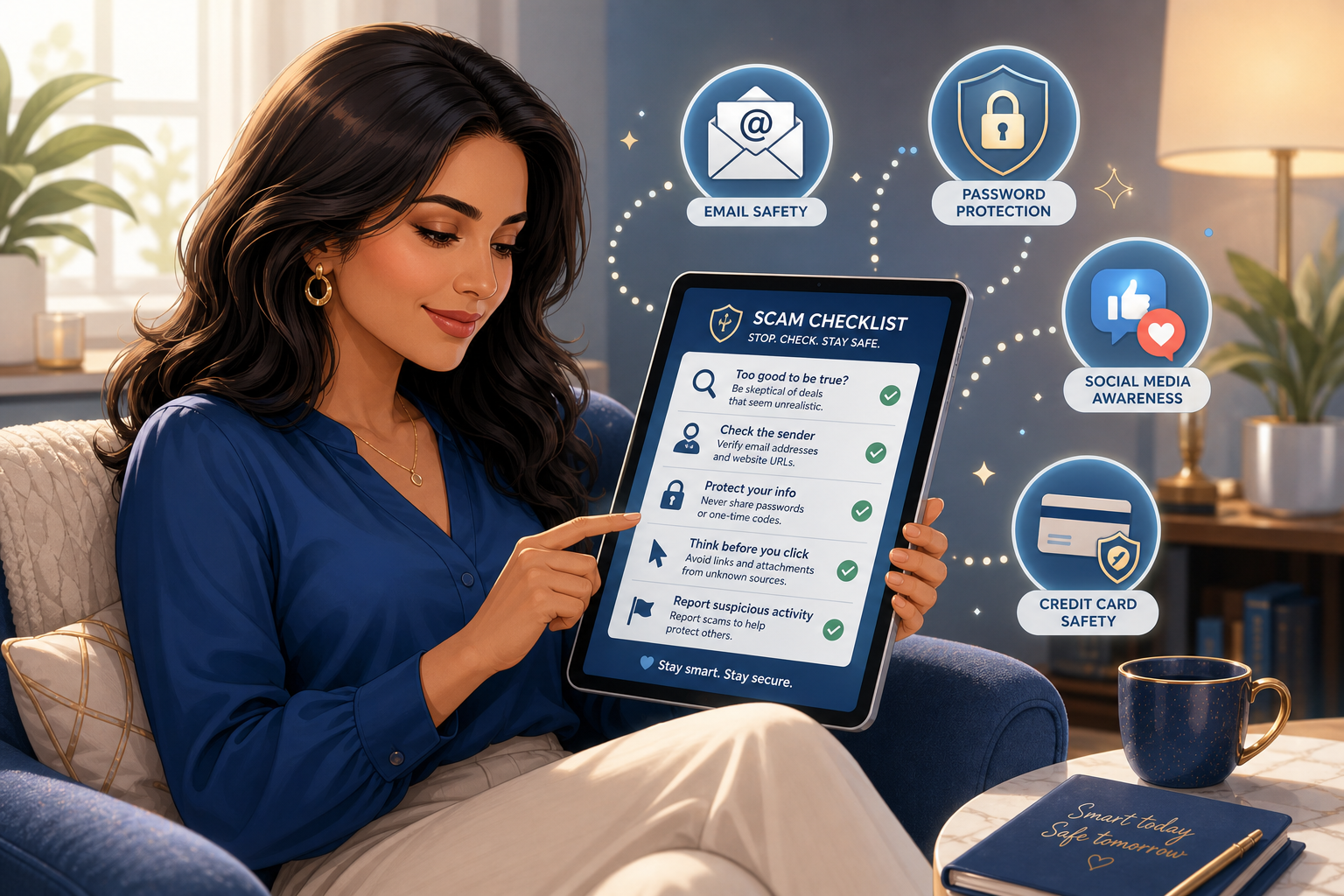
How do I know if a sweepstakes casino message is real?
The safest test is simple: do not trust the link. Trust your own login path.
- Close the message.
- Open a new browser tab.
- Type the operator’s official URL yourself.
- Log in and check account messages, redemption status, or support tickets.
- If nothing appears in your account, the message may be fake.
This works because real account issues usually live inside your account. Scammers need you to use their link.
What should I do if I already clicked a scam link?
Move quickly, but do not panic. Here is the cleanup list.
- Change your sweepstakes casino password right away.
- Change any other password that matched or looked similar.
- Turn on two-factor authentication if the operator offers it.
- Contact your card issuer if you entered payment details.
- Report suspicious charges and ask about freezing or replacing the card.
- Notify the real operator through official support if your account may be affected.
- Report the message as phishing on email, text, or social media.
Responsible play note: scams can feel embarrassing, but they are built to pressure people. Do not chase losses, do not pay “recovery” fees, and do not keep engaging with someone who already crossed a safety line.
What to do next
- Bookmark this guide so you can check it before clicking suspicious links.
- Use a unique password for every sweepstakes casino account.
- Turn on two-factor authentication where available.
- Read our beginner-friendly sweepstakes casino guide before trying a new site.
- Use the Sweeps Flow registration page if you want updates and community safety tips: Join Sweeps Flow.
Sweeps Flow Take
Sweepstakes casino scams are annoying, but they are not mysterious once you know the pattern. Fake sites, phishing, fake redemption claims, social impersonators, fake giveaways, payment skimming, and bonus-recovery pitches all depend on the same thing: getting you to act before you check.
The Sweeps Flow rule is simple. If a message asks for credentials, private details, a payment outside the operator site, or a fee to release something, pause. Real support does not need shortcuts to your account. When in doubt, log in directly and let the account page tell the truth.
FAQs about sweepstakes casino scams
Are all sweepstakes casinos scams?
No. Some sweepstakes casinos are established operators with published terms and standard sweepstakes-style systems using Gold Coins and Sweeps Coins. Scams usually involve impersonators, phishing pages, fake giveaways, or outside payment schemes. Always check the operator’s current terms, eligibility rules, and official website before signing up.
Can a real sweepstakes casino ask for identity verification?
Yes, identity checks may be part of account security or redemption review. The key is where it happens. Use the operator’s official site or secure account area. Be very cautious if someone asks for sensitive information by email, text, social DM, or a third-party form.
Do sweepstakes casinos charge a fee to release redemptions?
Be careful with any message asking for a processing fee to release a redemption. Real redemption rules should be listed in the operator’s terms and inside your account. If a random email or DM asks for a fee, do not pay. Log in directly and contact official support.
How do scammers find sweepstakes casino players?
Scammers may watch public social posts, community groups, comment sections, or use email lists from unrelated data breaches. That is why unique passwords matter. Avoid posting account details publicly, and do not engage with unsolicited DMs claiming to be support.
What if a giveaway asks for my sweepstakes casino login?
Do not share it. Real giveaways should not require your password. Check the operator’s verified channels and promotion terms instead. If the post appears in a community group, report it to moderators so other players do not get pulled in.
Affiliate disclosure: Sweeps Flow may earn a commission if you sign up through some links on our site. Our safety guidance stays player-first, and we do not recommend sharing credentials, overspending, or using unofficial payment routes. Terms apply.

Error