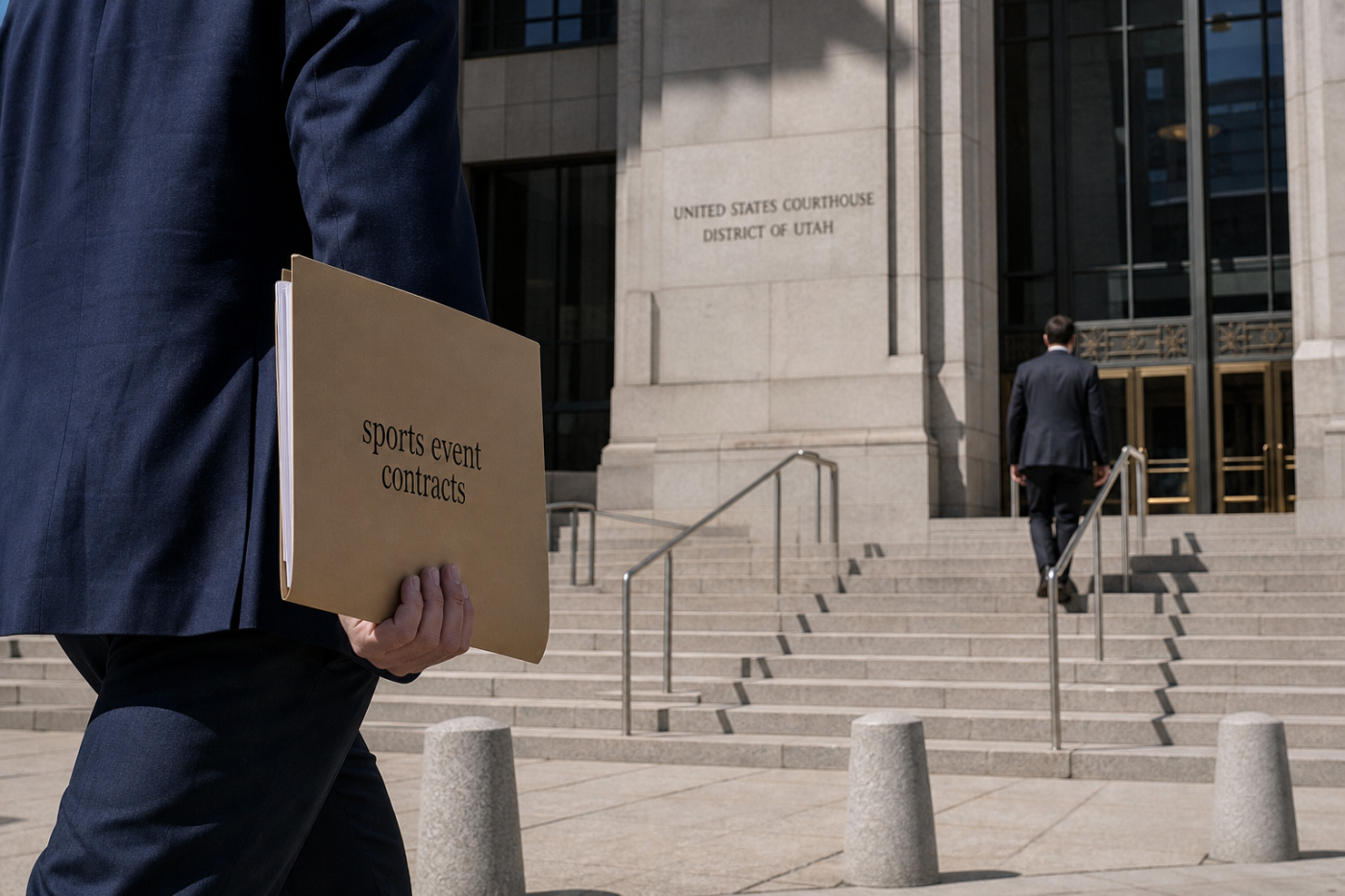
Utah Just Drew a Legal Line Around Kalshi Sports Contracts
A federal judge in Utah ruled that the state can enforce its anti-gambling laws against Kalshi’s sports event contracts, according to Legal Sports Report.
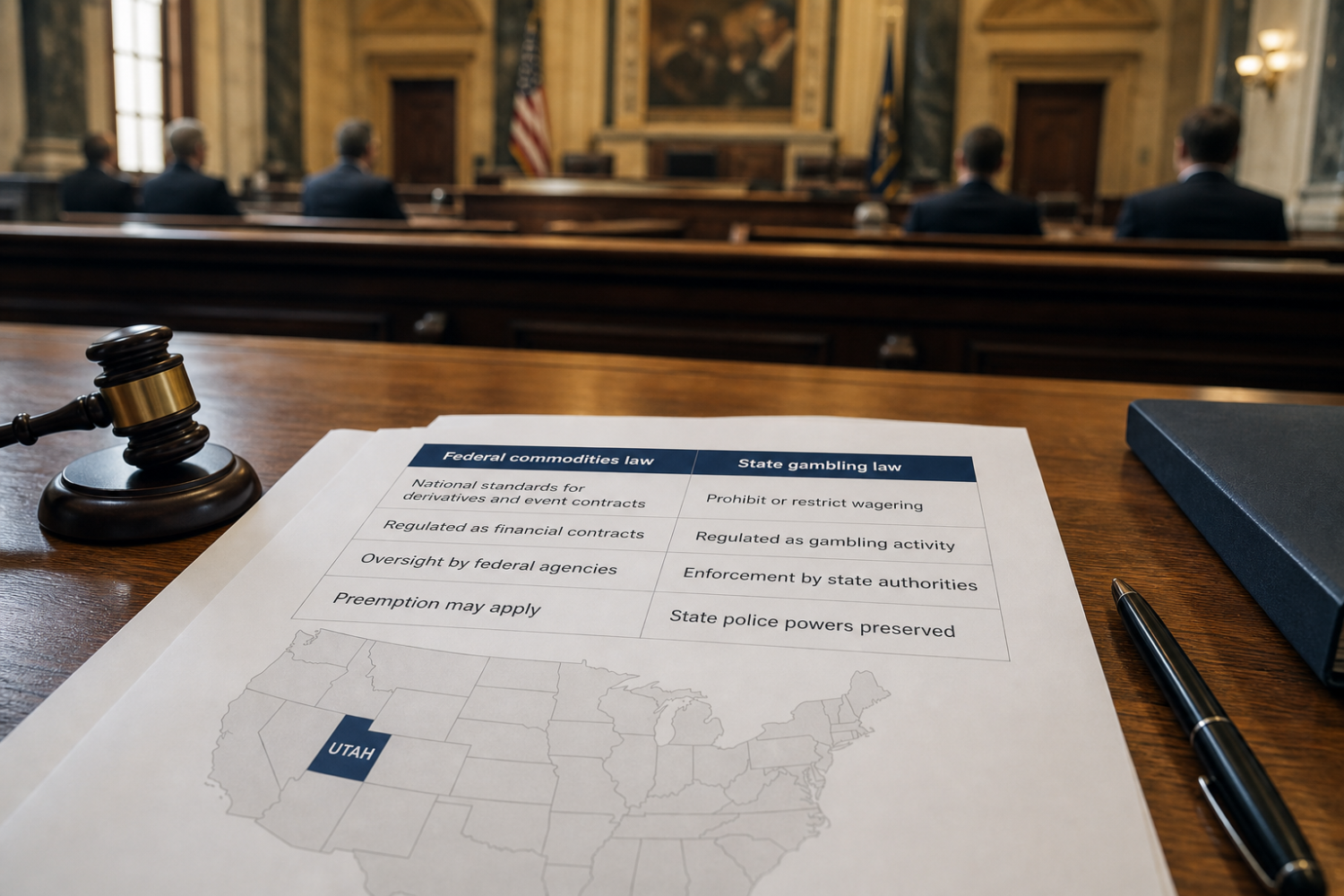
That may sound like courtroom wallpaper. It is not. This is one of those legal stories that can shape how states, platforms, and users talk about sports prediction markets going forward.
Kalshi argued that federal commodities law should block Utah from applying state gambling laws to its sports event contracts. The judge rejected that argument, at least at this stage. In plain English: Utah gets to keep enforcing its gambling laws against those contracts.
Quick Background: What Are Sports Event Contracts?
Sports event contracts let users take a position on the outcome of a sports-related event. They may look different from a sportsbook bet on the surface, but state regulators may still ask the same big question: is this gambling under state law?
That is the tension here. Kalshi operates in the federally regulated event-contract space. Utah has strict anti-gambling laws. The court’s ruling says Utah’s laws are not automatically pushed aside just because the product is tied to federal commodities regulation.
The Core Legal Fight
This case sits at the intersection of two legal systems:
| Side of the issue | Main idea | Why it matters |
|---|---|---|
| Federal commodities law | Kalshi argued federal law preempts state enforcement. | If accepted, state gambling laws could have less power over certain event contracts. |
| Utah gambling law | Utah argued it can enforce its anti-gambling laws. | The ruling allows Utah to keep applying its laws to Kalshi’s sports contracts. |
| The judge’s ruling | The court rejected Kalshi’s preemption argument. | State-level gambling rules remain a major factor. |
Why This Matters for Sweeps Players
Most Sweeps Flow readers are not spending their Tuesday nights reading federal court orders with a cup of gas-station coffee. Fair enough. But this ruling is still worth watching.
It shows that labels matter less than legal structure. A product may call itself one thing, while a regulator or court sees something else. That is a big deal in any industry where money, prizes, games, contests, and state laws overlap.
For sweepstakes casinos and social gaming sites, the takeaway is not “this changes everything today.” It does not. This case is about Kalshi and sports event contracts in Utah. But it is a reminder that state laws still carry real weight.
What We Know, and What We Do Not
Here is the clean version without legal fog:
- A federal judge in Utah ruled that Utah can enforce anti-gambling laws against Kalshi’s sports event contracts.
- Kalshi argued that federal commodities law should preempt those state laws.
- The judge rejected that argument.
- The ruling was reported by Legal Sports Report.
- This does not automatically decide how every state will treat every prediction market, sportsbook, or sweepstakes-style platform.
That last point matters. One ruling is not a national rulebook. Courts, regulators, and lawmakers can still take different paths in different states.
A Simple “Legal Risk” Snapshot
This is not legal advice. It is a practical way to think about the issue as a player or industry watcher.
| Question | Lower concern | Higher concern |
|---|---|---|
| Is the product clearly allowed under state law? | Yes | No or unclear |
| Does the product involve sports outcomes? | No | Yes |
| Has the state taken a strict gambling stance? | No | Yes |
| Are regulators or courts already involved? | No | Yes |
Utah checks some of the “higher concern” boxes. That is why this ruling is getting attention.
What Players Should Do Now
If you play sweepstakes casino games, enter promotions, or follow event-contract platforms, keep your common sense hat on. It is not fancy, but it works.
- Check whether a platform is available in your state.
- Read the terms before you deposit, buy, or enter.
- Look for clear redemption rules.
- Watch for sudden state restrictions or policy updates.
- Do not assume one platform’s legal setup applies to another.
Legal categories can look similar from the outside. Under the hood, they can be very different. Kind of like two pickup trucks parked at the hardware store. Same color, very different engine.
Could This Affect Prediction Markets More Broadly?
Possibly, but we should not get ahead of the facts. The ruling is about Utah’s ability to enforce its anti-gambling laws against Kalshi’s sports event contracts. It does not settle every legal question around prediction markets nationwide.
Still, other states may pay attention. Platforms may also pay attention. When one court says state gambling law can still bite, people in compliance departments tend to sit up straighter.
The Bigger Picture: States Still Matter
The internet makes gaming products feel national. State law makes them local. That push and pull is not going away.
For users, the best move is to stay informed and avoid assuming that “available online” means “legal everywhere.” For operators, the message is even clearer: state gambling law is not background noise.
Bottom line: Utah’s ruling is a reminder that sports event contracts can face state gambling-law scrutiny, even when federal regulation is part of the story.
Join the Conversation
What do you think? Should sports event contracts be treated like gambling when they involve game outcomes? Or are they a different category altogether?
Drop your thoughts in the comments, and join the discussion in the Sweeps Flow Facebook group: https://www.facebook.com/groups/sweepsflow.
We will keep watching this topic as more legal updates come out.

Error